

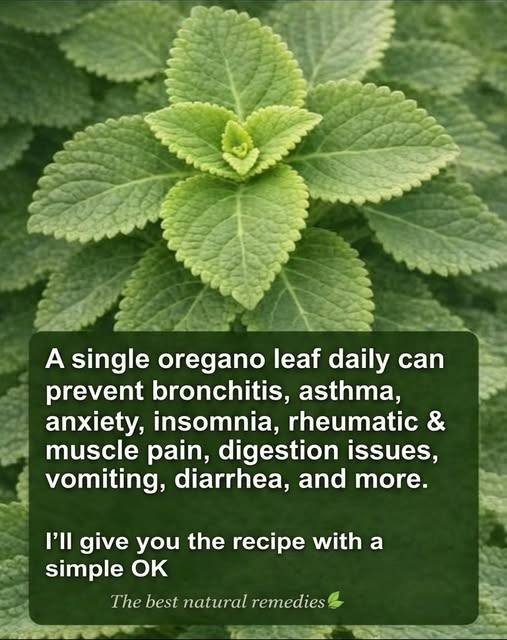
What Is Oregano?
Origanum vulgare, commonly known as oregano, is a Mediterranean herb widely used in cooking and traditional herbal medicine. It contains powerful natural compounds like carvacrol, thymol, rosmarinic acid, and flavonoids, which give it antioxidant, antimicrobial, and anti-inflammatory properties.
Oregano has been traditionally used to support:
-
Respiratory health
-
Digestive function
-
Immune system strength
-
Relief from mild muscle discomfort
-
Gut balance
However, it is not a cure for chronic diseases like asthma or bronchitis, and it should not replace prescribed medical treatments.
🌿 Oregano Tea Recipe (Safe & Effective Home Remedy)
Ingredients:
-
5–7 fresh oregano leaves (or 1 teaspoon dried oregano)
-
1 cup hot filtered water
-
1 teaspoon raw honey (optional)
-
A few drops of fresh lemon juice (optional)
Preparation Steps:
-
Wash the fresh oregano leaves thoroughly.
-
Bring 1 cup of water to a boil.
-
Add oregano leaves to the hot water.
-
Cover and steep for 10–15 minutes.
-
Strain the leaves.
-
Add honey and lemon if desired.
-
Drink warm.
Recommended Usage:
-
Drink once daily for general immune support.
-
For cough or mild cold symptoms: drink up to twice daily for 3–5 days.
-
Do not exceed 2 cups per day without medical guidance.
🌿 Health Benefits Explained (Evidence-Based)
1. Immune System Support
Oregano contains high levels of antioxidants that help neutralize free radicals. Carvacrol has been studied for antibacterial and antiviral properties, making oregano tea helpful during seasonal illnesses.
2. Respiratory Support
Oregano may help soothe mild cough and congestion due to its antimicrobial and anti-inflammatory effects. It can help loosen mucus, but it does not cure asthma or chronic bronchitis.
3. Digestive Health
Traditionally, oregano has been used for:
-
Bloating
-
Gas
-
Mild indigestion
-
Occasional diarrhea (due to antimicrobial properties)
It may support gut balance by limiting harmful bacteria.
4. Anti-Inflammatory Effects
Oregano contains compounds that may reduce mild inflammation, which can help with:
-
Minor muscle soreness
-
General body discomfort
However, it is not a treatment for rheumatoid arthritis or chronic inflammatory disorders.
5. Anxiety & Sleep Support
Oregano tea can be calming due to its warm, soothing nature, but there is limited scientific evidence that it directly treats anxiety or insomnia. For sleep, it may be helpful as part of a relaxing nighttime routine.
🌿 Oregano Oil Alternative (Stronger Option)
Another popular form is oregano oil extract. This is much more concentrated than tea.
⚠️ Important:
-
Always dilute oregano oil before use.
-
Never ingest essential oil directly.
-
Avoid during pregnancy unless approved by a doctor.
-
Not recommended for small children.
🌿 Who Should Avoid Oregano Remedies?
-
Pregnant or breastfeeding women (without medical approval)
-
People with bleeding disorders
-
Individuals allergic to mint family plants
-
Those on blood thinners
-
Patients with chronic respiratory diseases without doctor supervision
🌿 Frequently Asked Questions (High-Interest Health Queries)
1. Can oregano cure asthma permanently?
No. Asthma is a chronic inflammatory condition that requires medical treatment. Oregano may support respiratory health but cannot replace inhalers or prescribed medication.
2. Is oregano good for bronchitis?
It may help relieve mild cough and congestion due to antimicrobial properties, but bacterial bronchitis may require antibiotics.
3. Can oregano help with gut infections?
Oregano oil has shown antimicrobial activity against certain bacteria, but you should consult a healthcare professional for confirmed infections.
4. How long does oregano tea take to work?
For mild symptoms like bloating or cough, some people feel relief within a few hours. Immune support benefits are gradual.
5. Is it safe to take oregano daily?
In moderate amounts (like culinary use or tea), yes. Long-term high-dose supplementation should be supervised by a healthcare provider.
🌿 Realistic Expectations
Oregano is a powerful natural herb with scientifically supported antimicrobial and antioxidant properties. However:
✔ It supports the immune system
✔ It may ease mild digestive discomfort
✔ It can soothe mild cough
✘ It does NOT cure asthma
✘ It does NOT prevent all chronic diseases
✘ It is not a replacement for prescription medication
🌿 Final Thoughts
Natural remedies like oregano can be valuable additions to a healthy lifestyle, especially when combined with:
-
A balanced diet
-
Regular exercise
-
Adequate sleep
-
Stress management
-
Medical guidance when needed
If you’re considering oregano for therapeutic purposes, it’s always best to consult a healthcare professional, especially if you have existing medical conditions.
